
Syncope and Autonomic Disorders Center
UToledo Health’s Syncope and Autonomic Disorders Center is world-renowned for its treatment of patients experiencing syncope — abrupt, brief loss of consciousness — and disorders of the autonomic nervous system such as postural orthostatic tachycardia syndrome (POTS).
Patients can expect to receive compassionate care from a highly experienced team directed by Dr. Blair P. Grubb, a leading expert on disorders of the autonomic nervous system.
What is the autonomic nervous system?
The autonomic nervous system is meant to work automatically (autonomously), without a person’s conscious effort. This system controls functions of the body such as heart and breathing rates, blood pressure, body temperature and digestion. Dysfunction in any of these areas can cause serious problems and a variety of symptoms that can be difficult to diagnose. These disorders can occur on their own or in relation to another disease. When they affect breathing or heart function, these disorders can be life-threatening.
What is syncope?
Syncope, often referred to as fainting, is the abrupt and brief loss of consciousness due to a temporary lack of blood flow to the brain. This loss of consciousness is accompanied by loss of muscle tone that can result in falling or slumping over followed by a rapid and usually complete recovery. While often benign, fainting can sometimes be a sign of serious illness. Recurrent fainting can significantly disrupt a person’s life and make them prone to injury and, on occasion, death. Therefore, it is very important to seek proper medical attention and treatment.
POTS Diagnosis and Treatment
UToledo Health’s Syncope and Autonomic Disorders Center specializes in treating postural orthostatic tachycardia syndrome (POTS), a condition that affects blood flow and can cause lightheadedness and fainting, brain fog, headaches, blurred vision, heart palpitations, nausea and other symptoms. People with POTS may feel tired or dizzy or experience an increased heart rate when they stand up from a reclining position. Depending on the severity, these symptoms can impair a patient’s ability to perform daily tasks.
An estimated 1 to 3 million people in the U.S. are affected by POTS, which is more common in women and more likely to develop in adolescents and young adults. While researchers do not fully understand the causes of POTS, it may develop in the aftermath of a viral illness, infection, pregnancy or trauma such as head injury.
Our team has the knowledge, experience and tools to diagnose POTS and work with each patient to develop an individualized treatment plan. This may include changes to diet, medications and physical therapy to alleviate symptoms.
Our Team
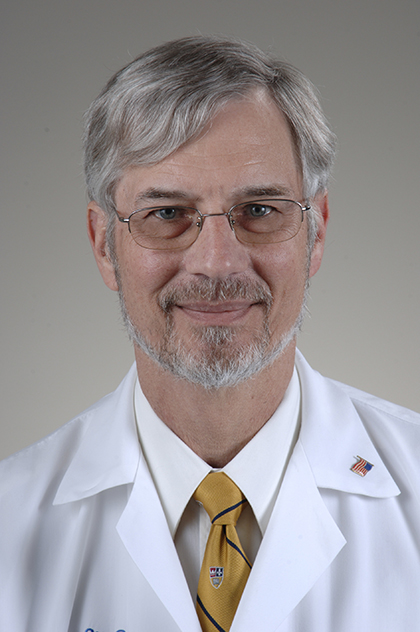
Dr. Blair P. Grubb
Director of Clinical Cardiac Electrophysiology
Program Director of Clinical Autonomic Disorders Center